
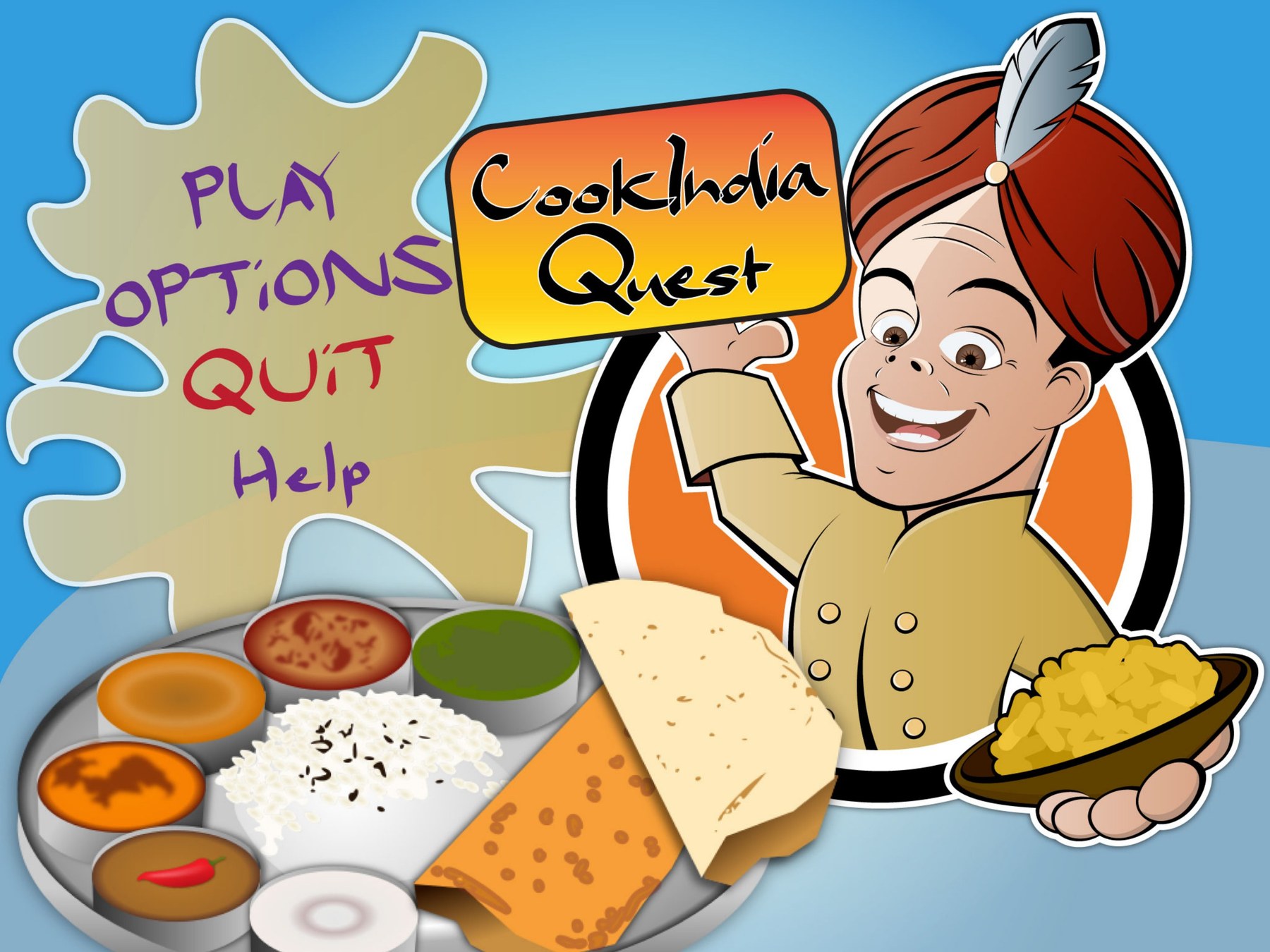
Eight years waiting for part two
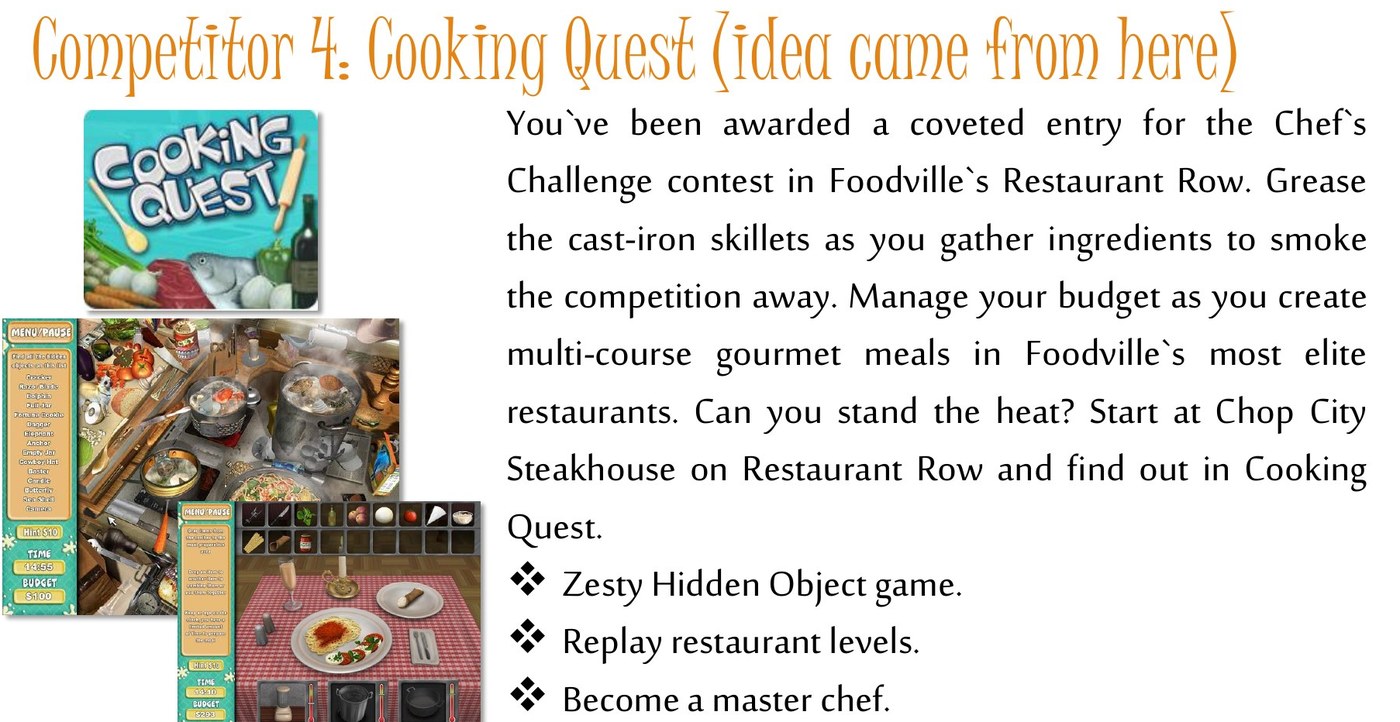
CookInQuest started as a complaint. She played a Big Fish hidden object game called Cooking Quest, loved it, and then waited for a second one that never arrived.
“After playing the Big Fish game ‘Cooking Quest’ … I always waited for them to come up with a sequel.”
She was new to games. Hidden object games were the ones that caught her during her undergraduate years: quiet, unhurried, no reflexes required, just a scene and a list. Cooking Quest was the one she kept going back to, and the disappointment of no follow up eventually turned into a brief.
“the best idea would be to make the sequel instead of waiting for years of more disappointment that the next part has not been created.”
So she made it herself, and put it somewhere the genre had not been. Not a bakery, not a pizzeria, not another generic gourmet kitchen. An Indian one.
129 people, ten questions
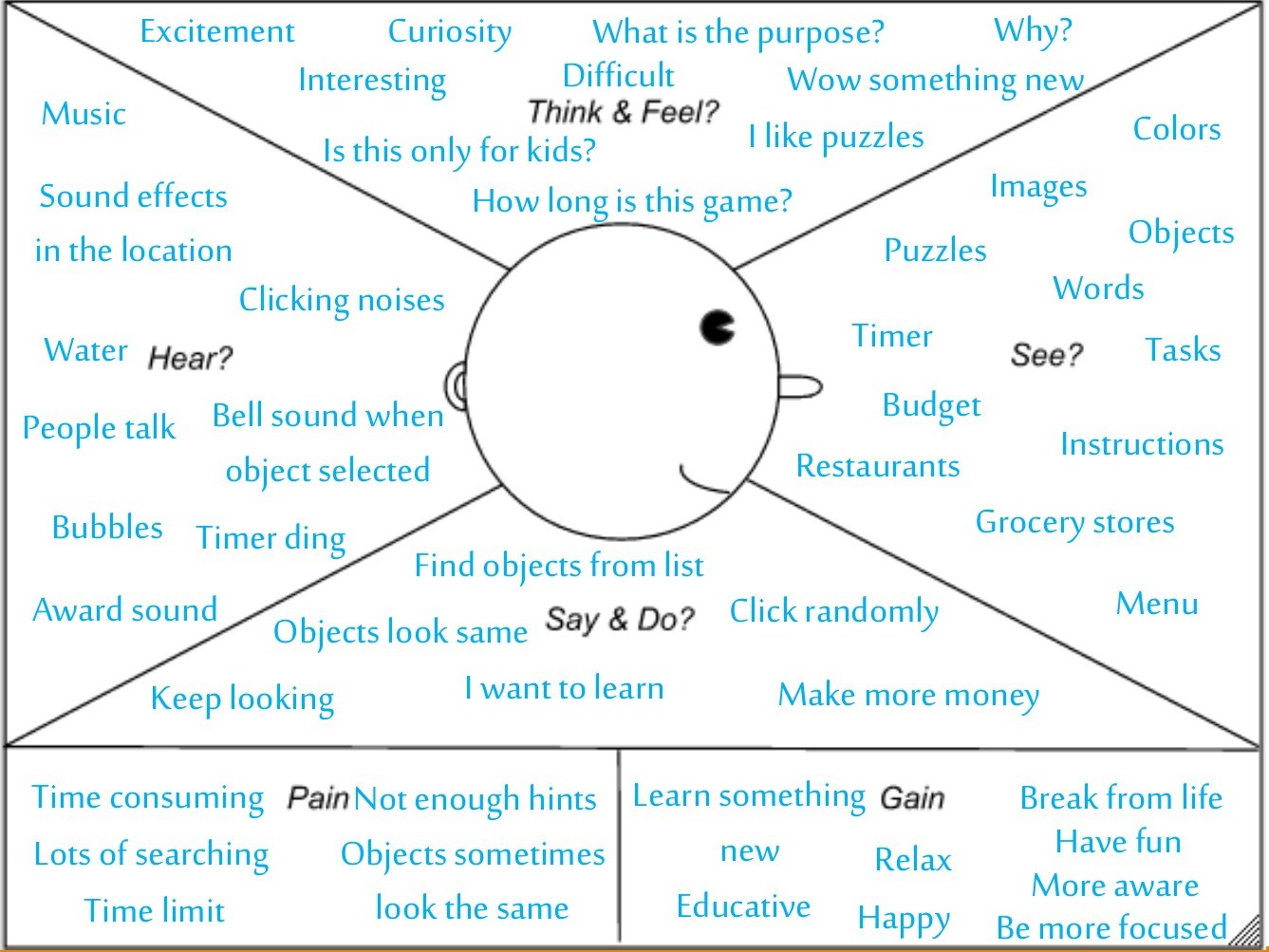
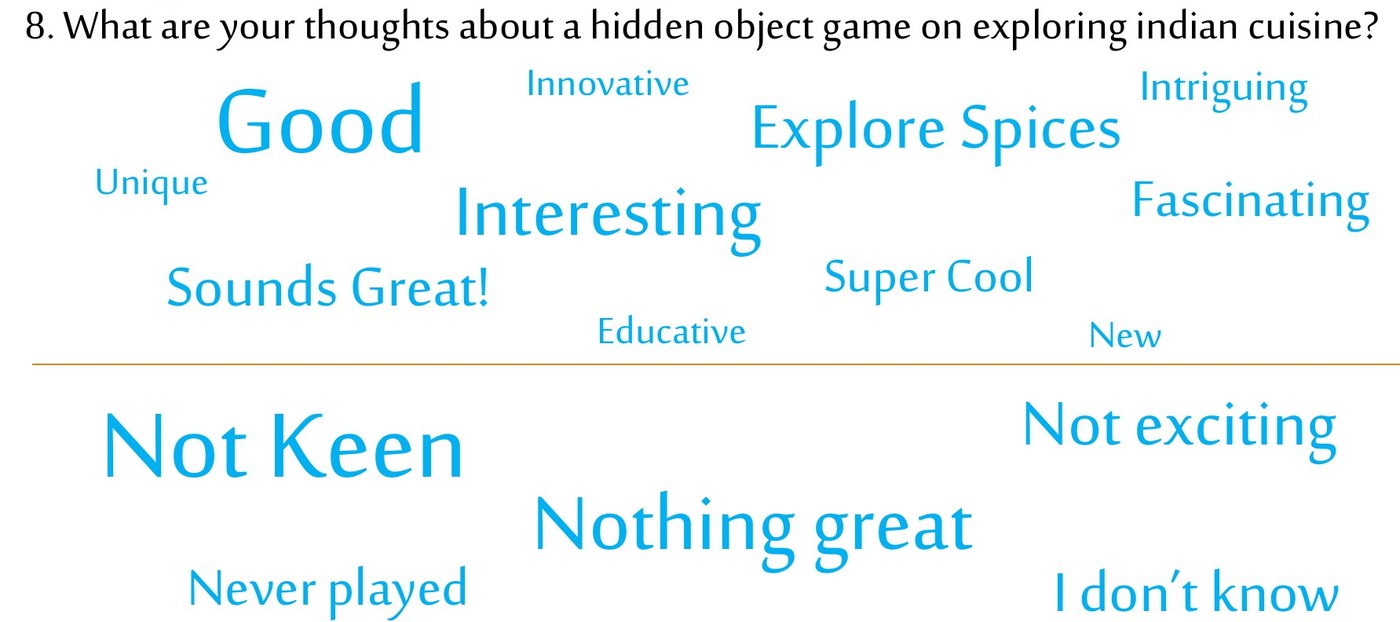
Before a single screen was drawn, she ran a survey of 129 people, tore down five competing cooking hidden object games, and built an empathy map out of what players said they got and what they put up with.
Read the last two together and they are almost a design brief written by strangers: the genre had an audience that was fond of it and slightly bored by it. People were not asking for better hidden object games. They were asking for a reason to open one.
Five competitors, pulled apart
What the empathy map recorded
Pains
- Time consuming
- Not enough hints
- Time limit
- Objects sometimes look the same
Gains
- Learn something new
- Educative
- Relax
- Break from life
The pains are all about pressure and confusion. The gains are all about learning and rest. A game that wanted both had to be gentle about time and generous about teaching, which is exactly where the next three decisions came from.
Three answers, three decisions
Three things the survey said out loud, and the three mechanics that answer them. This is the spine of the game.
“Like them, but don't have time.”
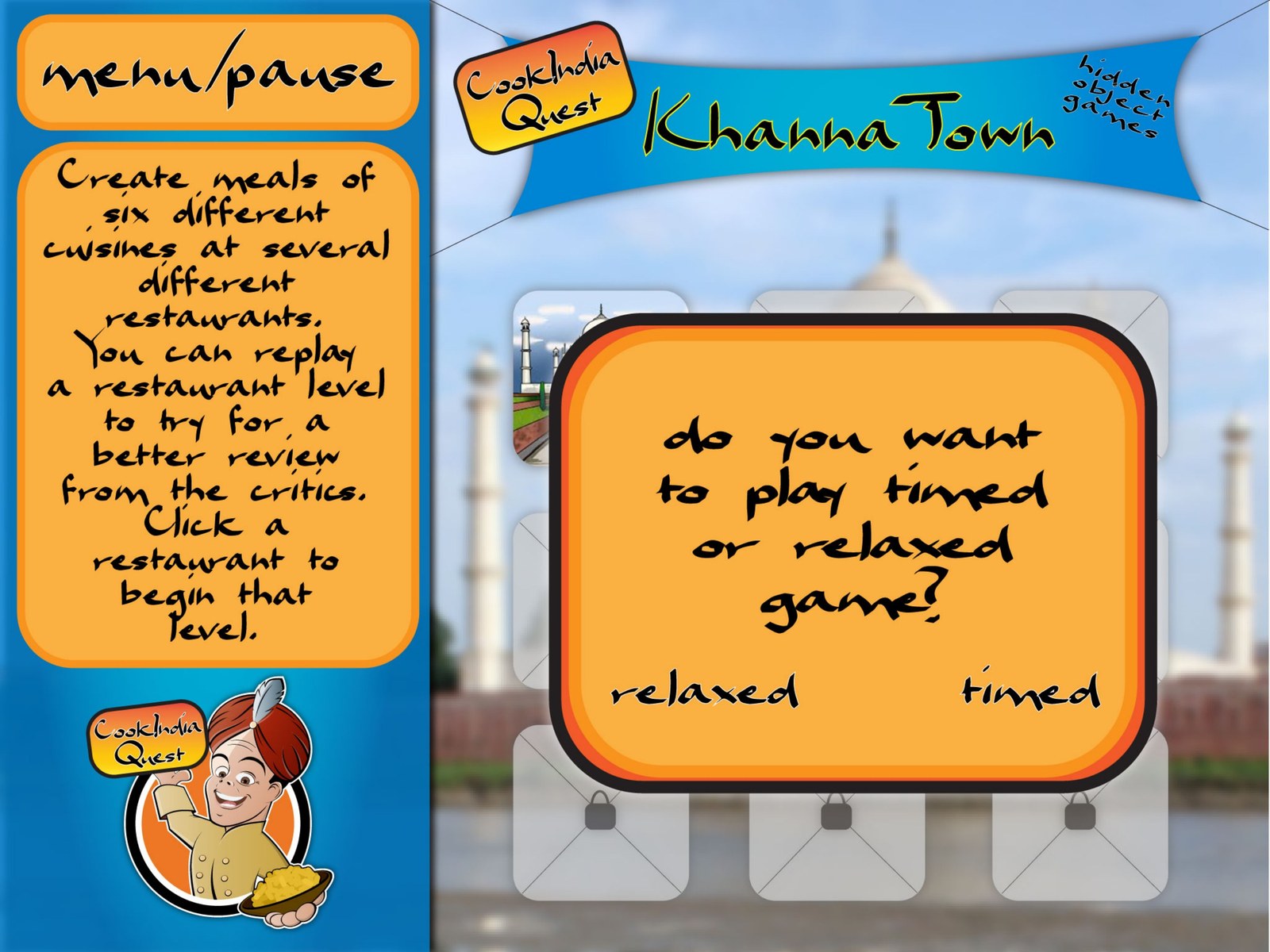
The game asks before it asks anything else
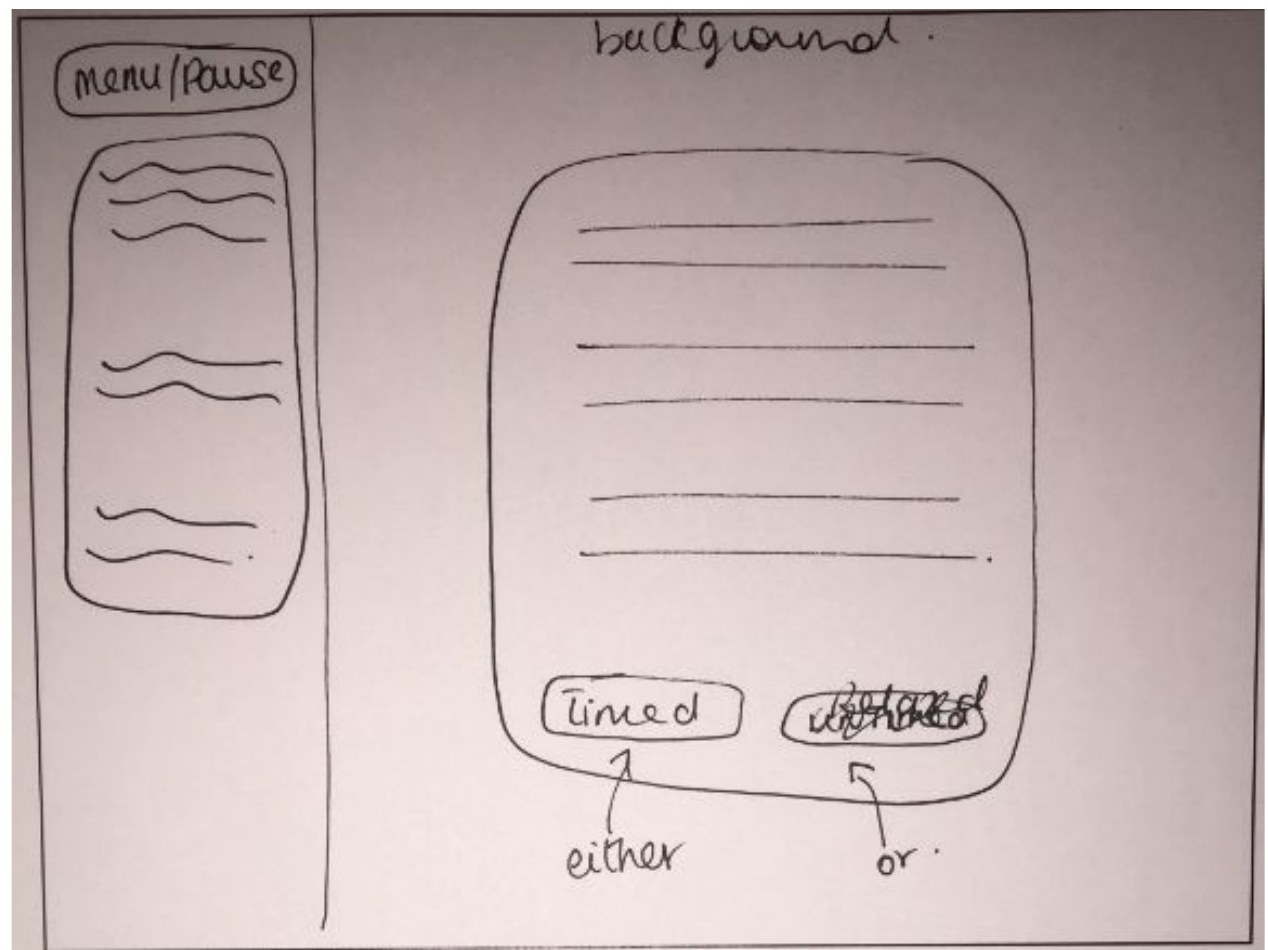
Timed or relaxed is the first choice you make, ahead of the map, ahead of the restaurant, ahead of the first list. The person who has twenty minutes and the person who has five are not sent down the same corridor and then blamed for it.
The choice was in the wireframes from the start, annotated either / or.
“Wish someone would come up with a new spin.”
A budget
Finding the ingredient is only half of it. Once you have found it you have to afford the good version of it, out of money you earned by being quick and lose by being careless. The hidden object hunt stops being the whole game and becomes the way you pay for the rest of it.
“Would you play one that taught you how to cook?” · 72% said yes
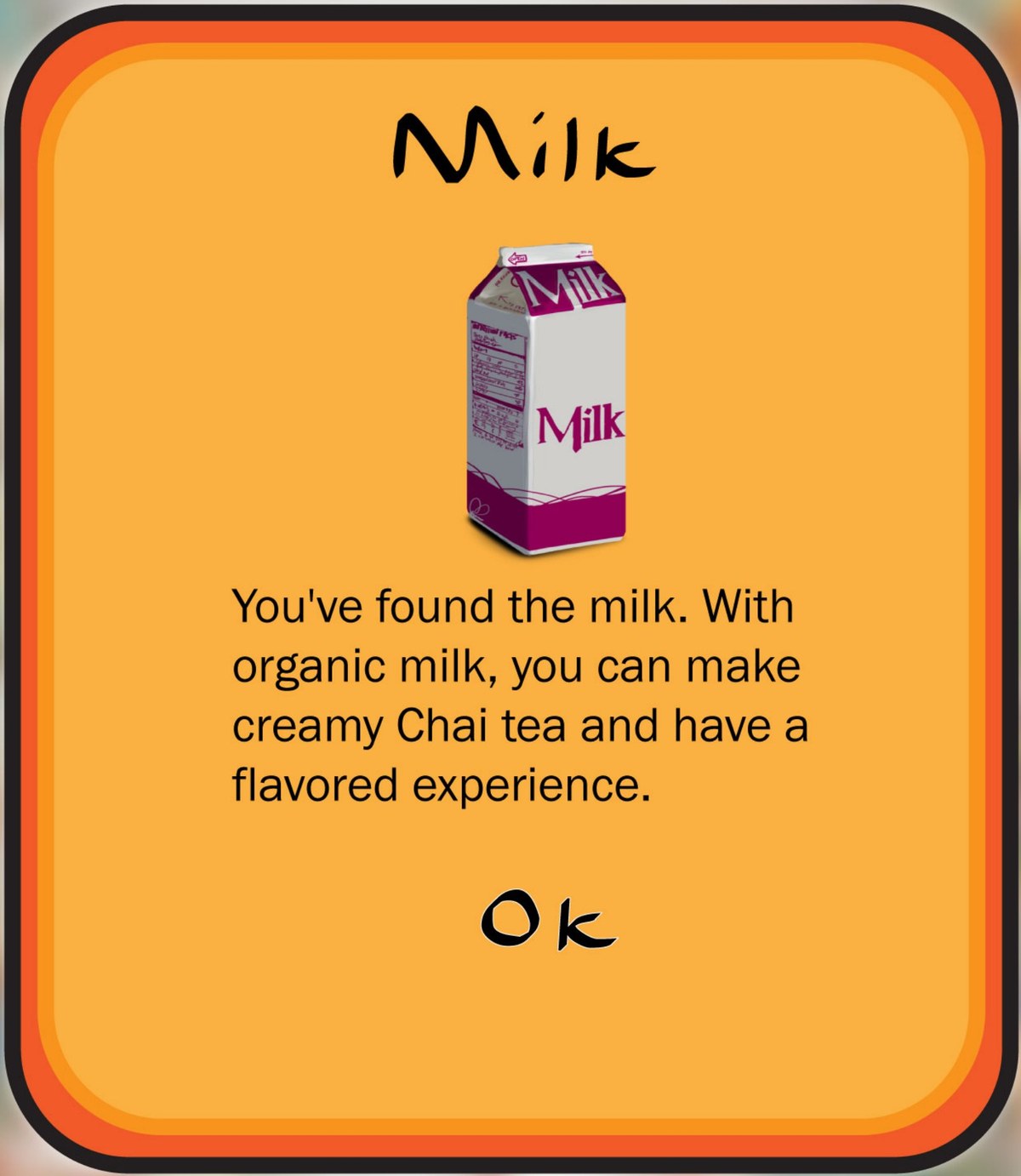
Every ingredient explains itself the moment you find it
Not a tutorial, not a tooltip, not a codex you have to go and open. Tap the milk and the milk tells you what it is for, in the voice of somebody who cooks:
“You've found the milk. With organic milk, you can make creamy Chai tea and have a flavored experience.”
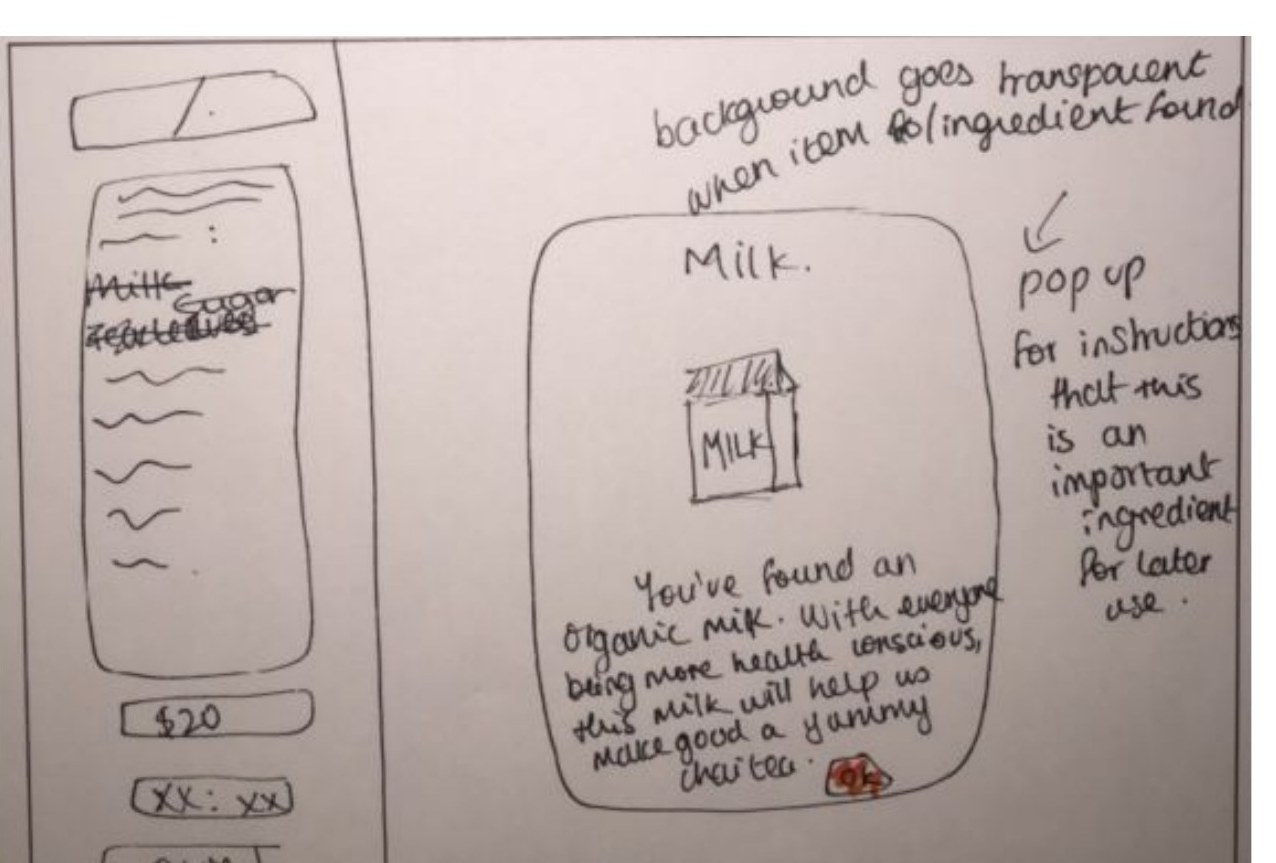
The wireframe annotation shows this was deliberate: “pop up for instructions that this is an important ingredient for later use.”
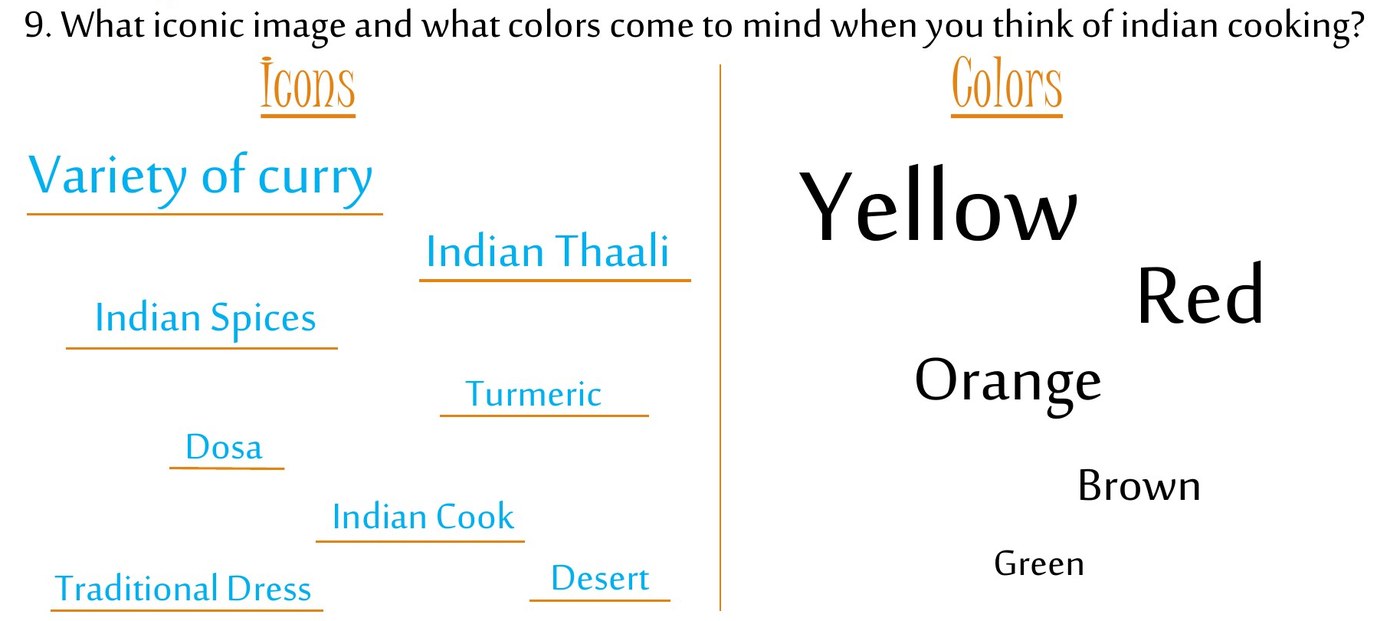
She asked 129 people what colour Indian cooking is
“What iconic image and what colors come to mind when you think of Indian cooking?”
Question nine. The palette was not a mood board and it was not a taste decision. It was an answer, and the answers arrived in an order.
- Yellow 1
- Red 2
- Orange 3
- Brown 4
- Green 5
Named colours, in order of how often each came back.
Alongside them, the images people reached for:
The shipped iOS kit is that list, in that sequence: a warm ramp from turmeric down through saffron, paprika and chilli to a deep maroon, with a cool blue and teal held opposite it for the interface furniture. Every warm swatch in the game is something 129 people already told her to use.
Display type in the game was Juice ITC. Body copy was Helvetica Neue Light. This page is set in its own type, not theirs.

A chef's hat, a flag, and the rule of thirds
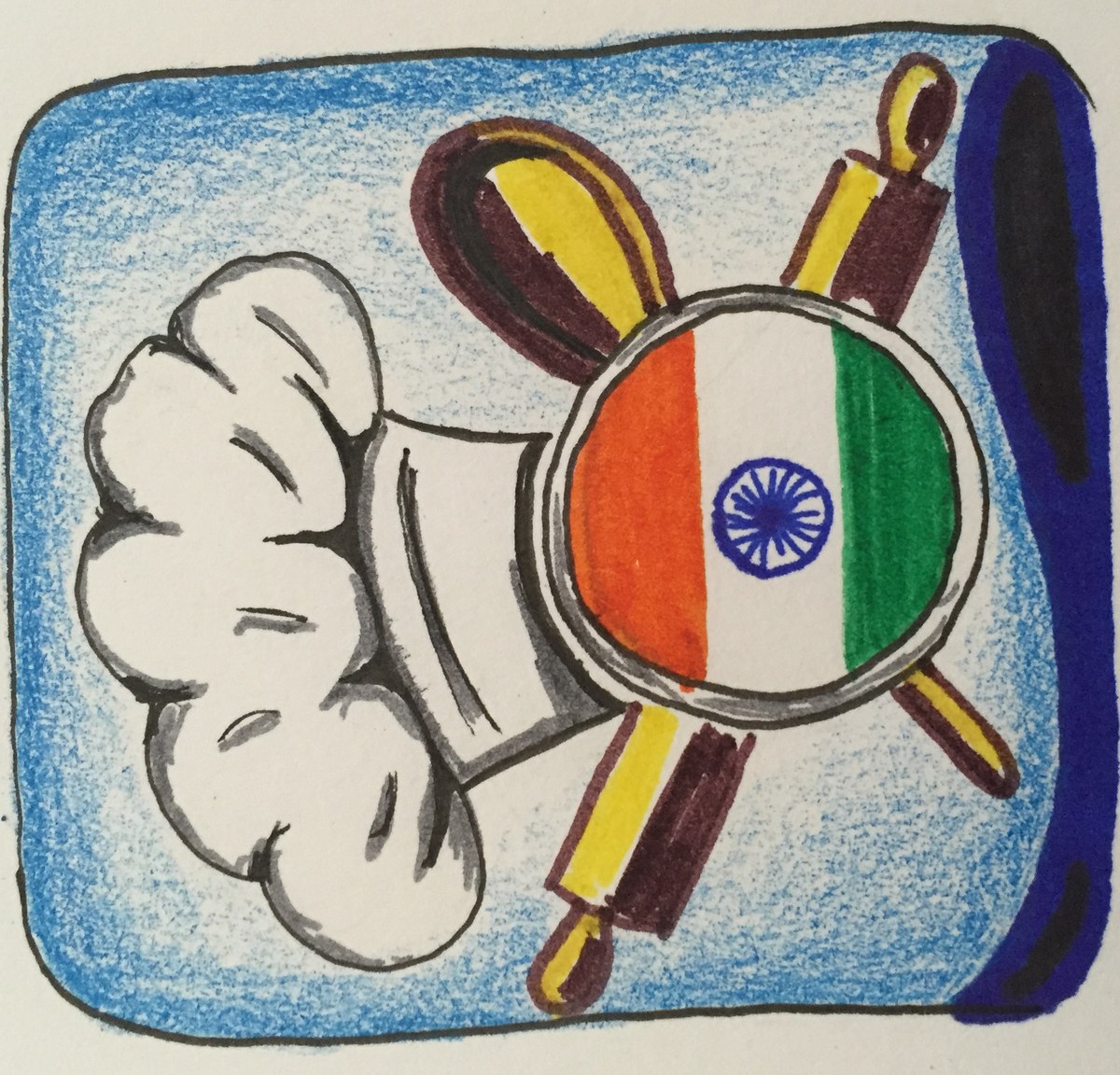
The icon has a written rationale, a marker sketch and a shipped version, and all three say the same thing.
The argument
- Reuse original 'Cooking Quest' icon into an Indian theme
- Blue gives a subtle feeling
- Brown and Orange to match with spices
- Middle of plate = Indian flag
- Based on rule of thirds in a balanced proportion
The sketch
The mark
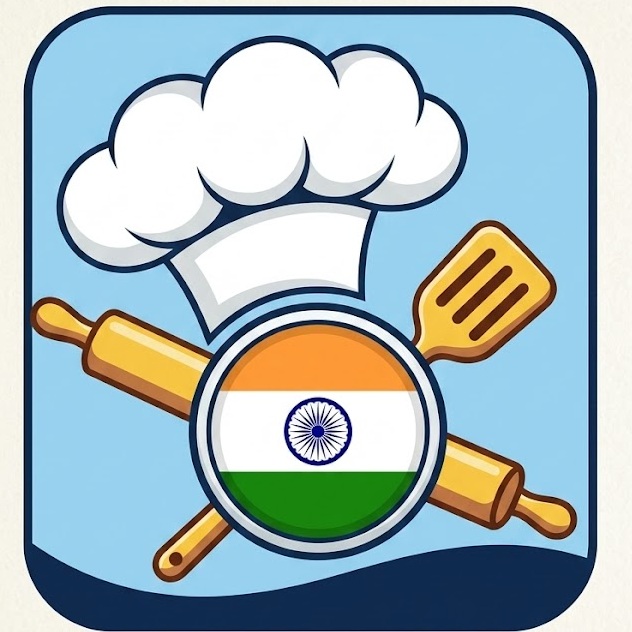
The plate reads as a flag, the flag reads as a plate, and the toque holds the top third on its own. Shrink it to a home screen tile and it still resolves, which is the only test an app icon has to pass.
A town, a row of restaurants, one door open
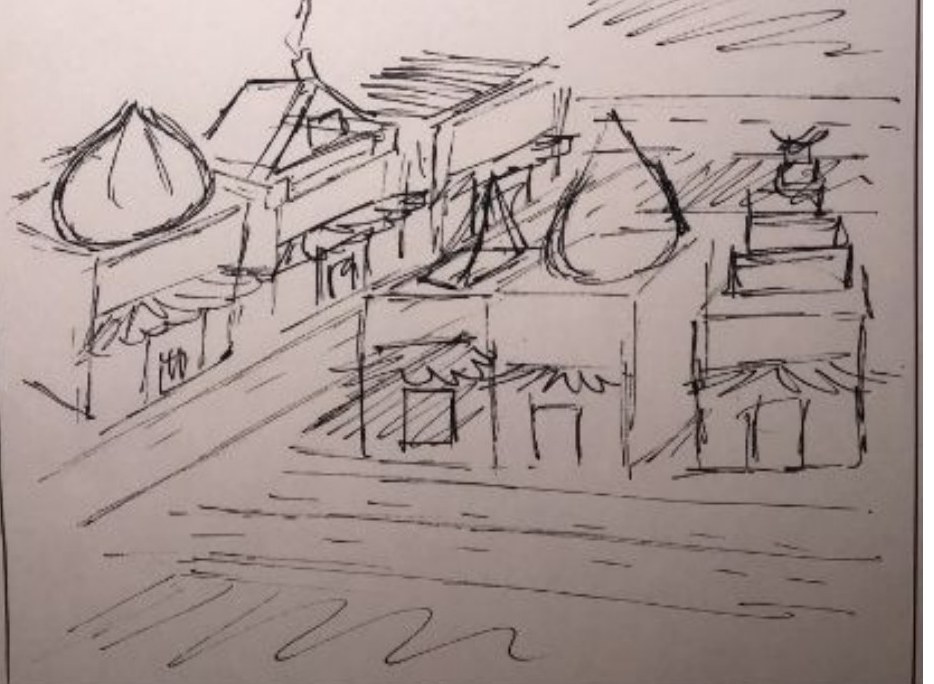
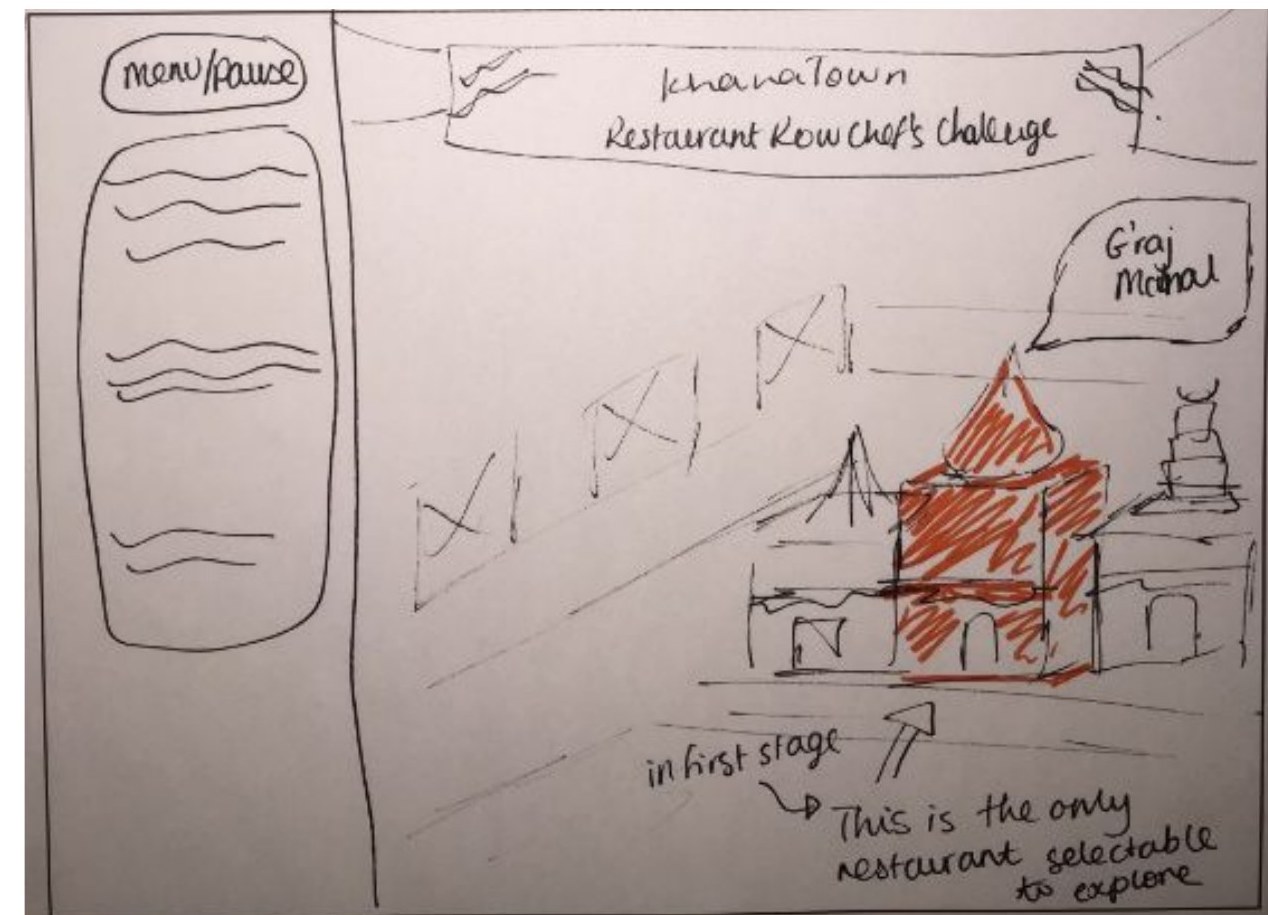
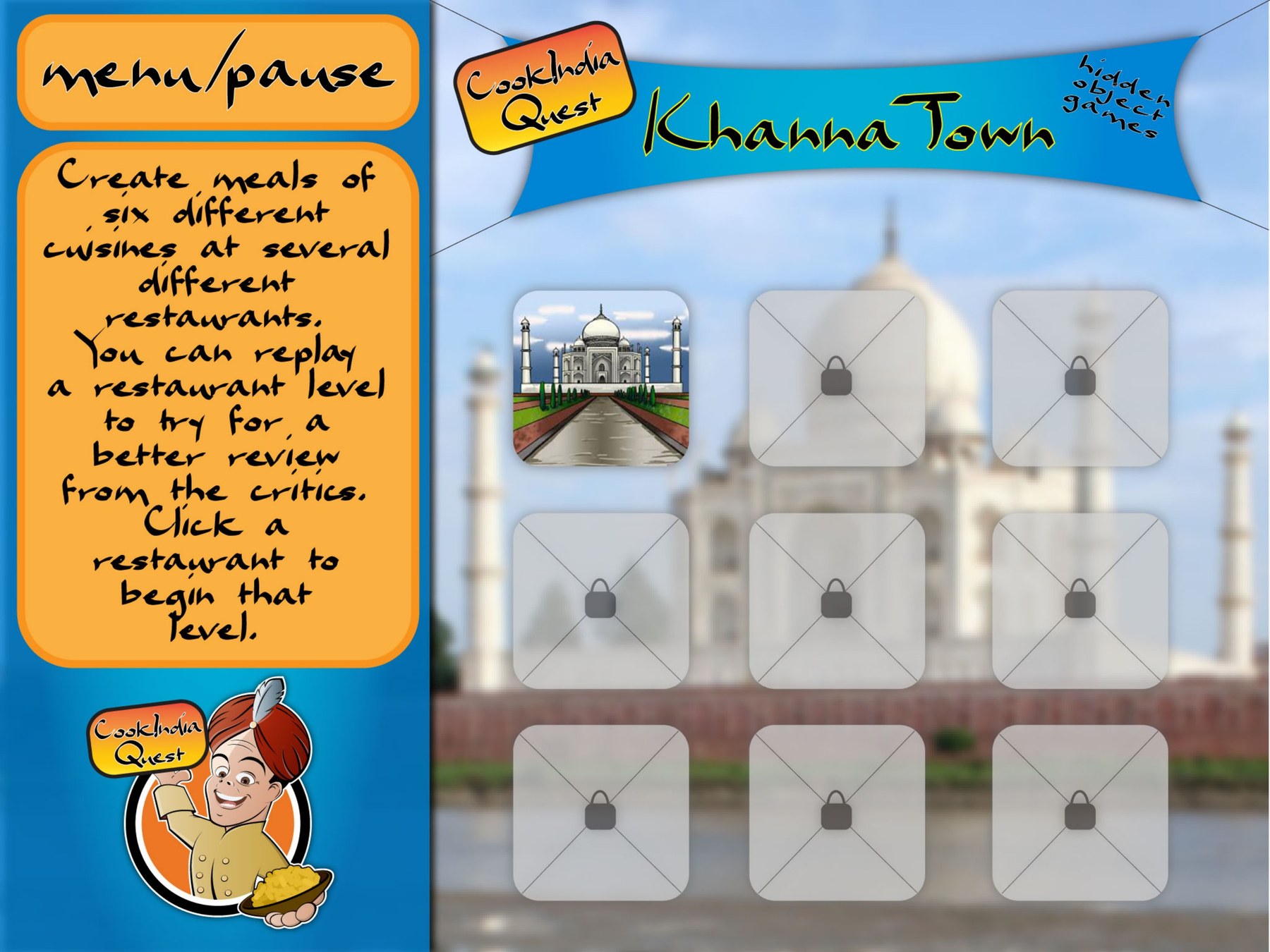
KhanaTown in the wireframes, KhannaTown once it was built. A street of restaurants, nine slots on the map, and exactly one of them unlocked.
“KhannaTown is holding its annual Restaurant Row Chef's Challenge, and you've been awarded a coveted entry into the contest!”
Nine slots. Eight padlocked. Clear one and the next one opens.
Gating that hard is a confidence move. The map is not a menu of everything you could be doing, it is one lit door with a queue behind it, so the first session has exactly one shape and no wrong turns.
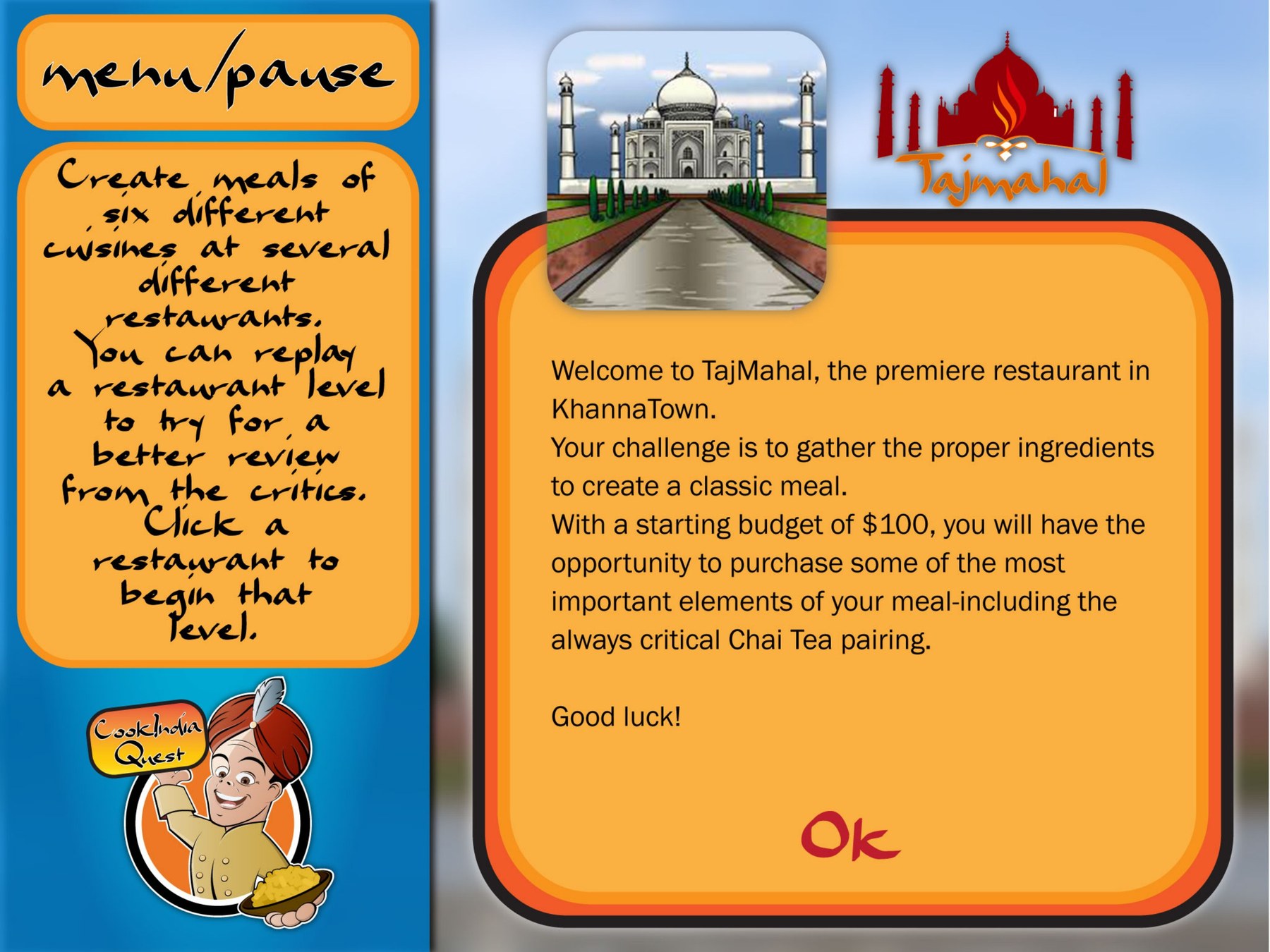
Inside a restaurant the meal splits into four courses, and each course wants fifteen ingredients found before it will let you cook.
In the wireframes the first restaurant was G'raj Mahal. It opened as TajMahal.
The slide where it stopped being a reskin
There is one slide in the wireframe deck where the whole idea turns over, and you can watch it happen in a list of words.
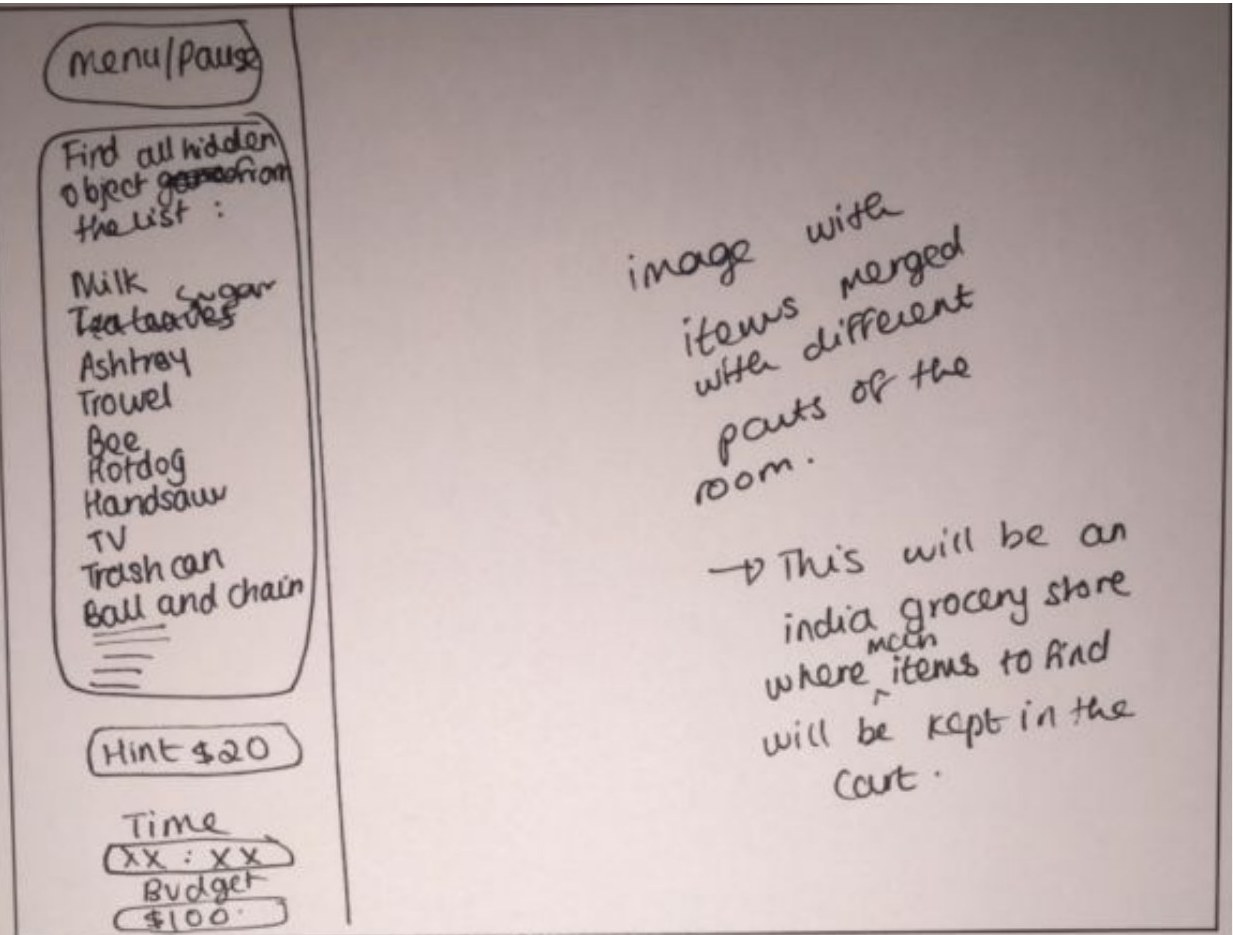
The first checklist
- Milk
- Sugar
- Ashtray
- Trowel
- Bee
- Hotdog
- Handsaw
- TV
- Trash can
- Ball and chain
Milk and sugar, then eight objects from a warehouse of genre filler.
Every checklist after it
- milk
- sugar
- cooking oil
- bell peppers
- spices
- vegetables
- rose water
- semolina
Ingredients. Things that go into the dish you are about to cook.
Hidden object games have always hidden things in a scene rather than things that belong to it. An ashtray in a kitchen is not a mistake, it is the convention: the object is there to be hard to see, and nothing more is asked of it.
Every list after that first one is food. That is the moment the game stops being a hidden object game with an Indian skin on it and becomes a game about food, where finding a thing and needing a thing are the same act. Once the list is the recipe, the hunt is no longer filler between the interesting parts. It is the shopping.
It is visible, on one slide, mid deck.
The hint costs exactly what the good tea costs
The rules are short, and she wrote them into the game's own Help screens.
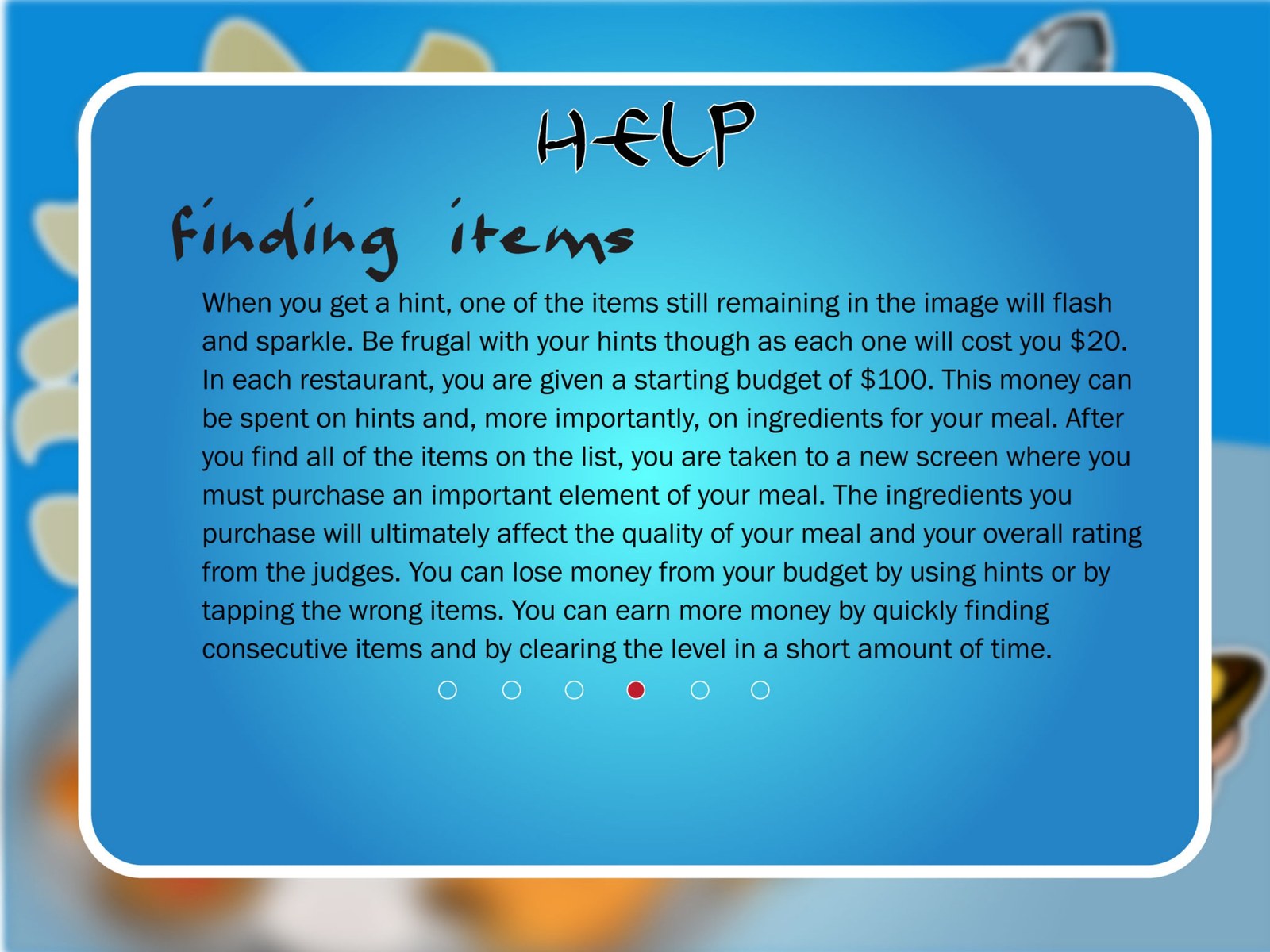
“Be frugal with your hints though as each one will cost you $20. In each restaurant, you are given a starting budget of $100.”
“You can lose money from your budget by using hints or by tapping the wrong items. You can earn more money by quickly finding consecutive items and by clearing the level in a short amount of time.”
Which is the whole design in one line. Every time you ask the game for help, you are buying it out of the same purse you were going to cook with.
Four ladders, cheapest at the bottom
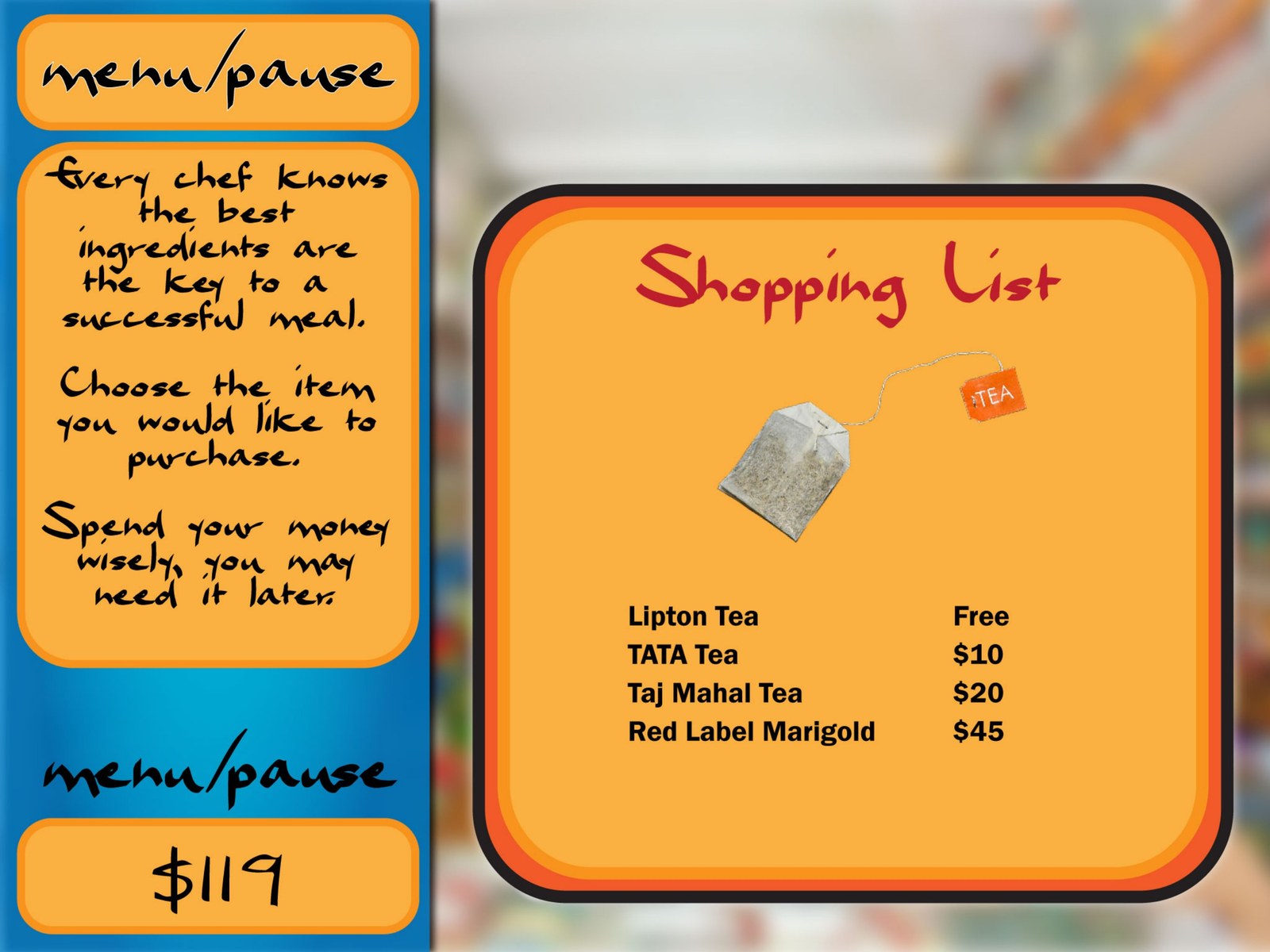
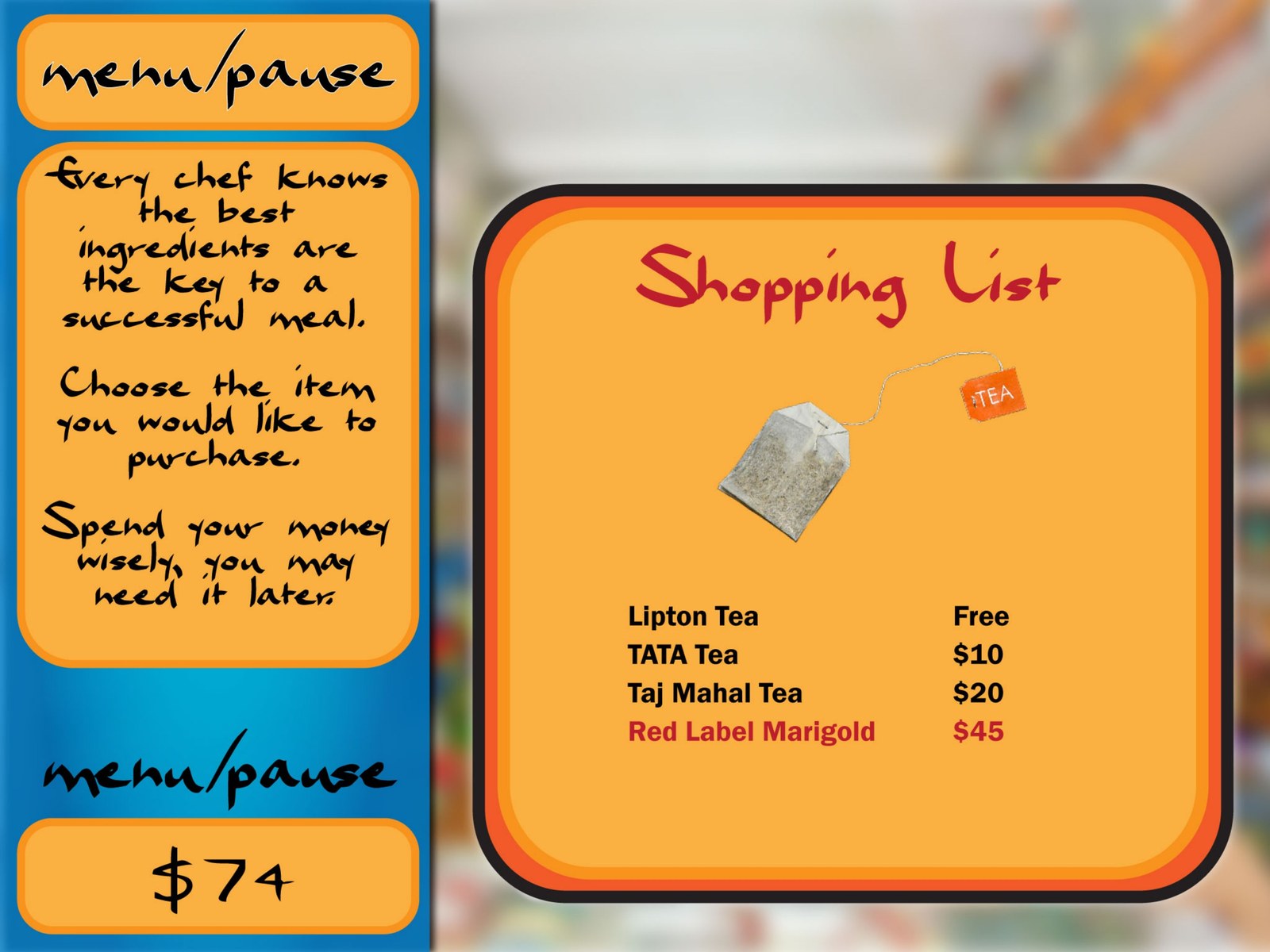
Each course ends at a shopping list, and every shopping list is a ladder of four. The free one always works. The expensive one always works better.
Tea
- Lipton Free
- TATA $10
- Taj Mahal $20
- Red Label Marigold $45
Gram flour
- Generic Free
- MTR $19
- Swad $22
- Fresh Ground $35
Rice & wheat
- Generic Free
- Great Value $25
- Tilda $40
- Dawat $65
Semolina
- Generic Free
- Uncut $6
- Semi Roasted $12
- Roasted fine $22
The game never tells you that better ingredients make better food. It charges you for them, and then judges the result. Nobody explains the rule, because the rule is the receipt: you make the expensive choice, you watch the number fall, and then a critic tells you the meal was made with the finest ingredients available. The lesson is in the ledger.
One hundred dollars, spent in public
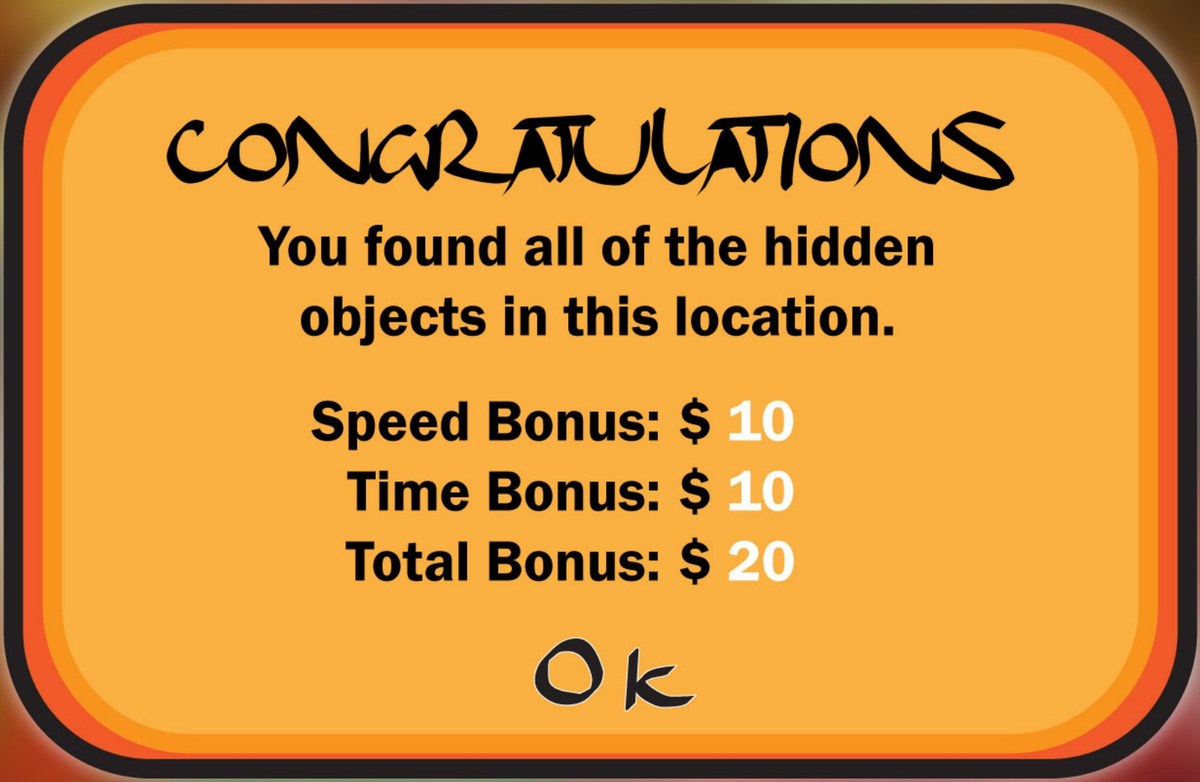
One real playthrough of TajMahal, traced through the prototype page by page. Four hunts earn money back. Four shopping lists take more of it away. She buys the best tier every single time.
- 1 Starting budget — $100
- 2 Cleared the grocery store · speed $15, time $16 +$31 $119
- 3 Bought Red Label Marigold tea, the best tier −$45 $74
- 4 Cleared the second hunt · speed $10, time $10 +$20 $94
- 5 Bought Fresh Ground gram flour, the best tier −$35 $59
- 6 Cleared the dinner table · speed $11, time $12 +$23 $82
- 7 Bought Dawat rice and wheat, the best tier −$65 $17
- 8 Cleared the bakery · speed $10, time $11 +$21 $38
- 9 Bought Roasted fine semolina, the best tier −$22 $16
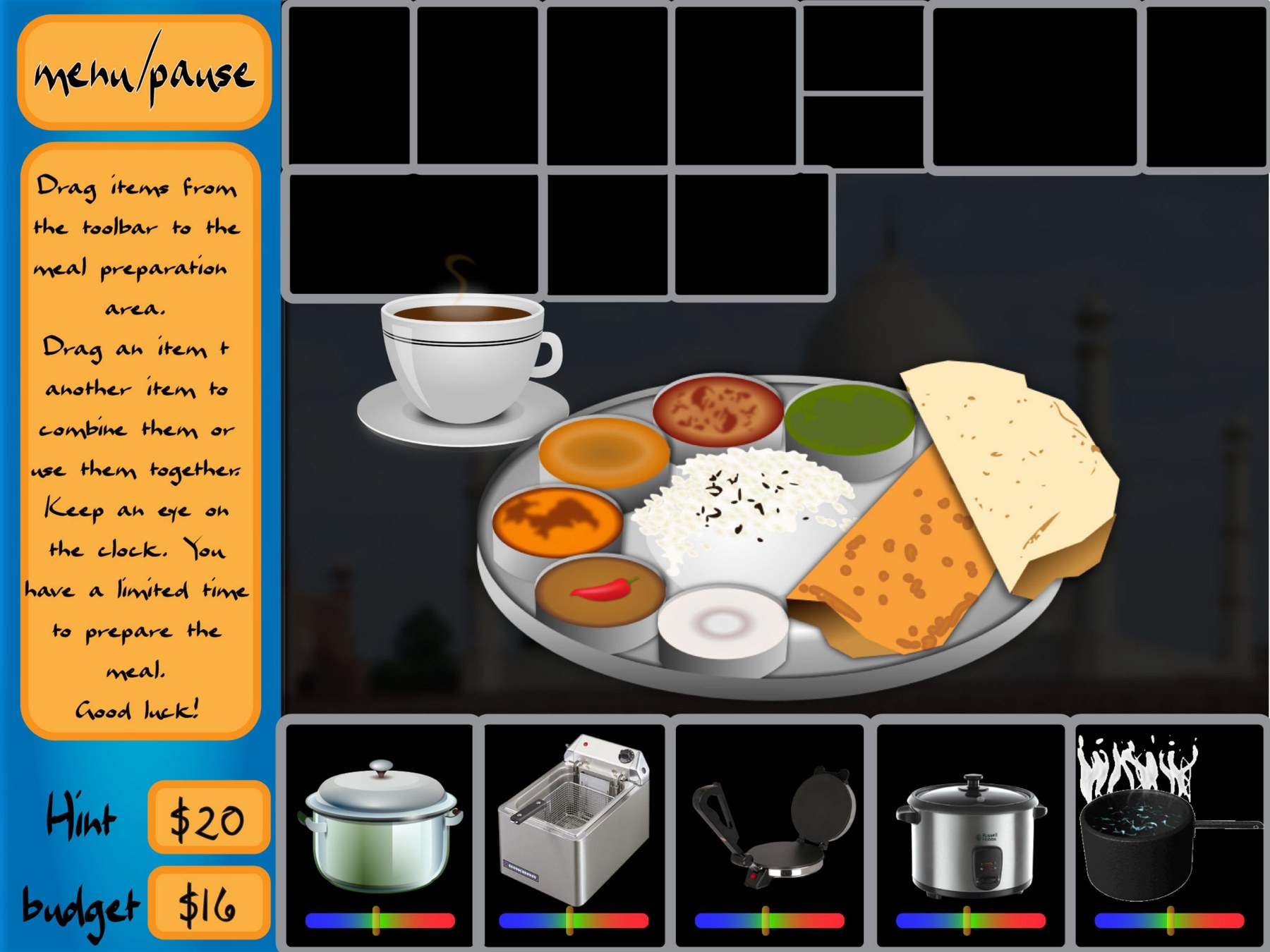
She walks into the cooking round with $16 — and a hint she can no longer afford.
Five bundles, five stations, five dishes
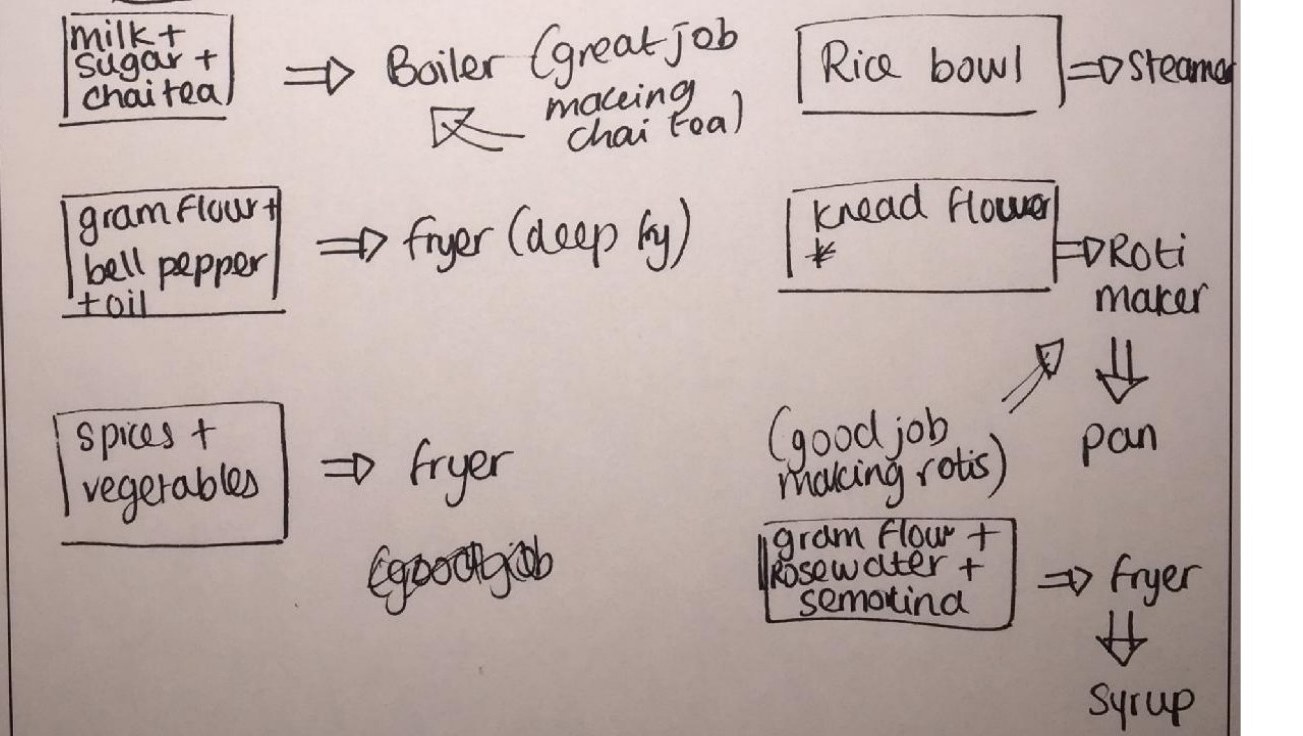
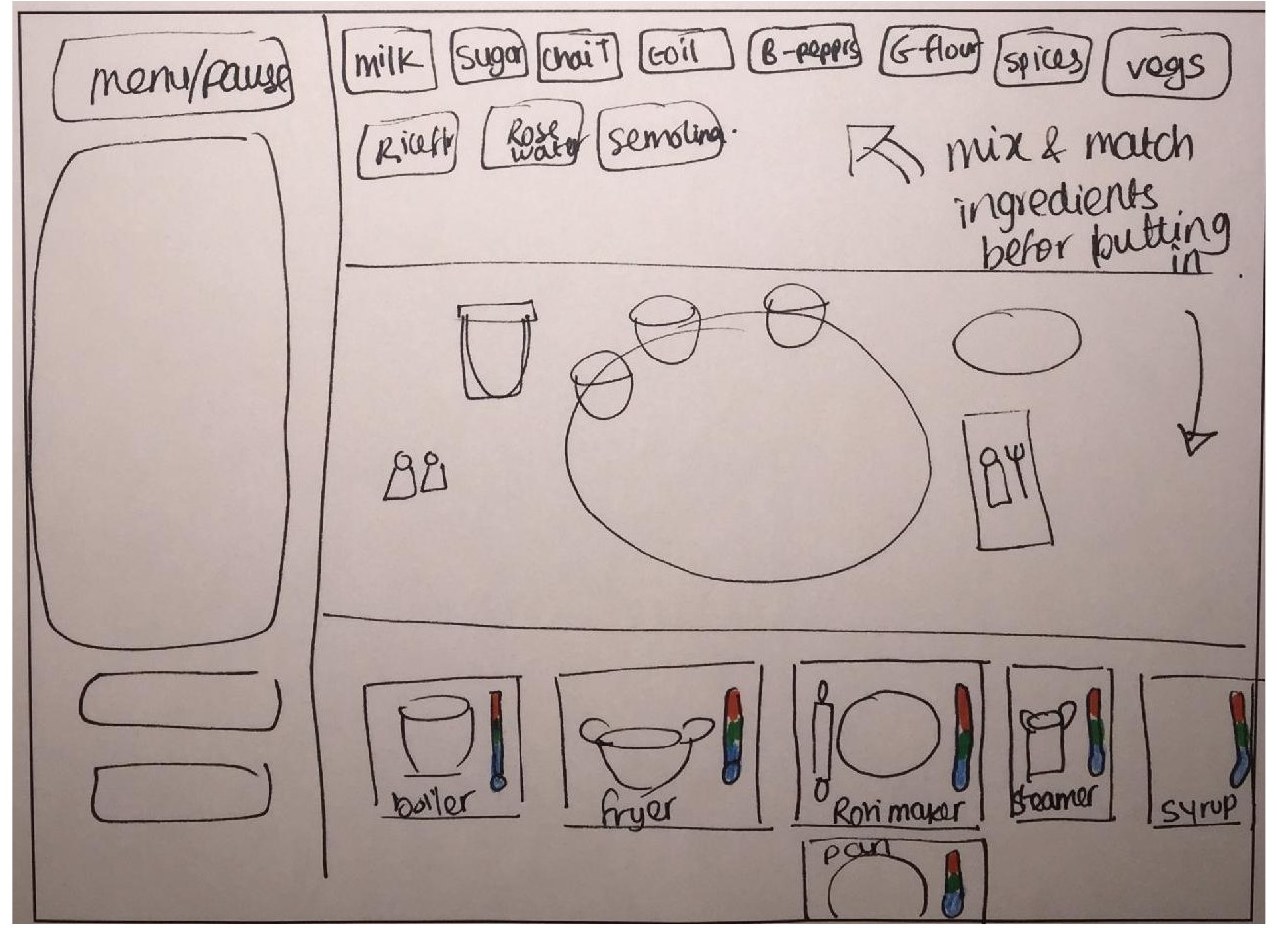
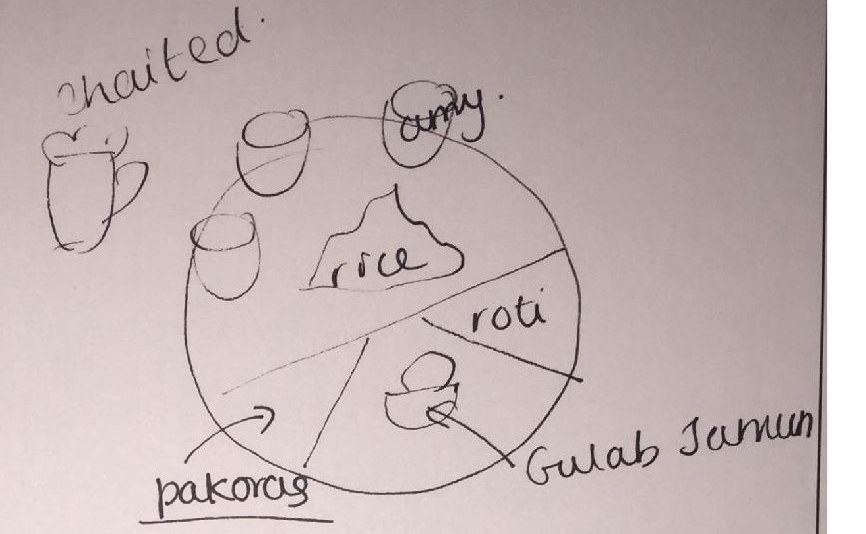
The hunt buys the ingredients. The cooking round asks what you can actually do with them, and it is spelled out on one wireframe slide as a set of small equations.
- milk +sugar +chai tea → Boiler →chai tea
- gram flour +bell pepper +oil → Fryer →pakoda
- spices +vegetables → Fryer
- rice → Steamer
- kneaded flour → Roti maker → Pan →rotis
- gram flour +rose water +semolina → Fryer → Syrup →gulab jamun
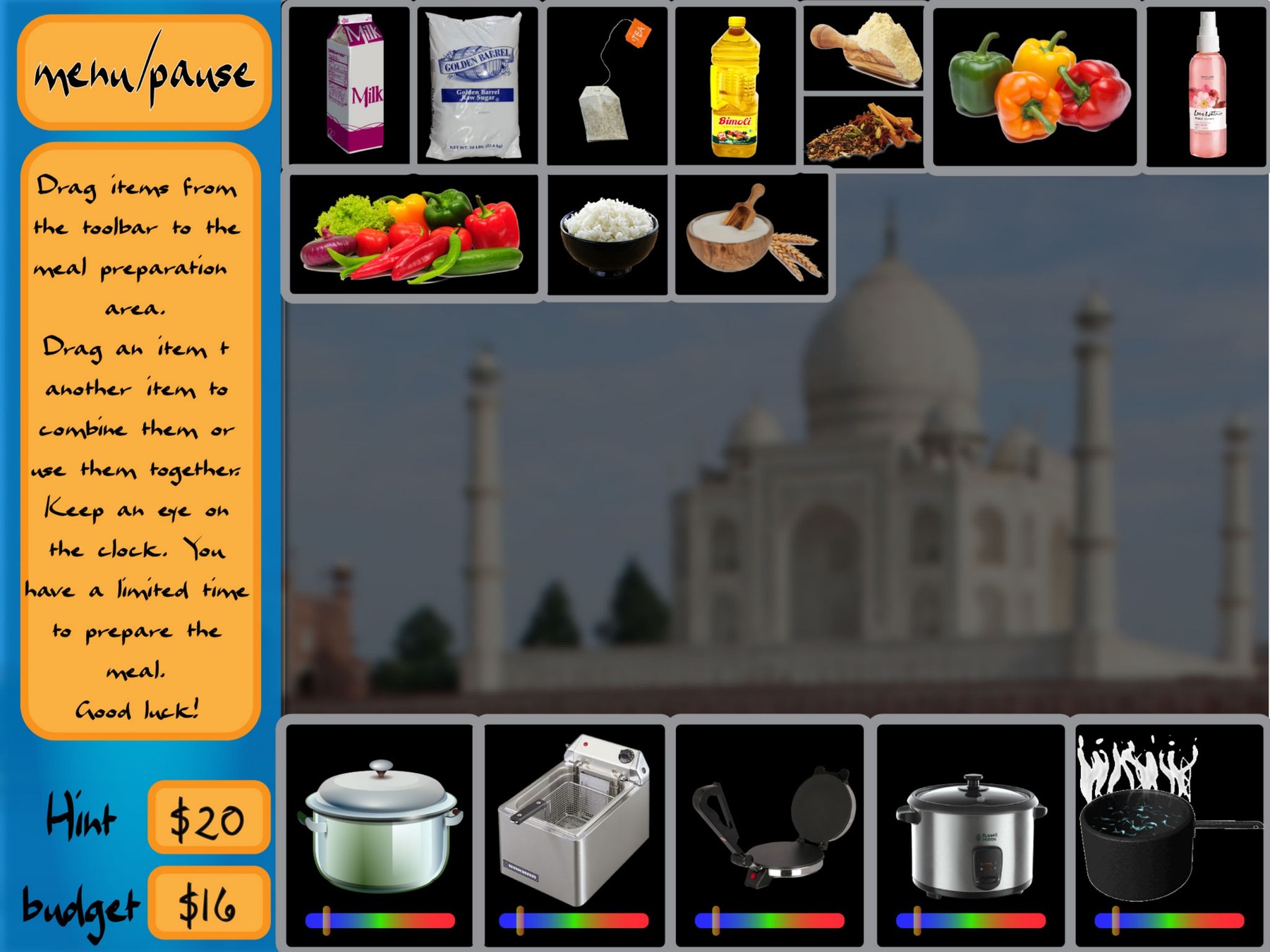
The doneness gauge
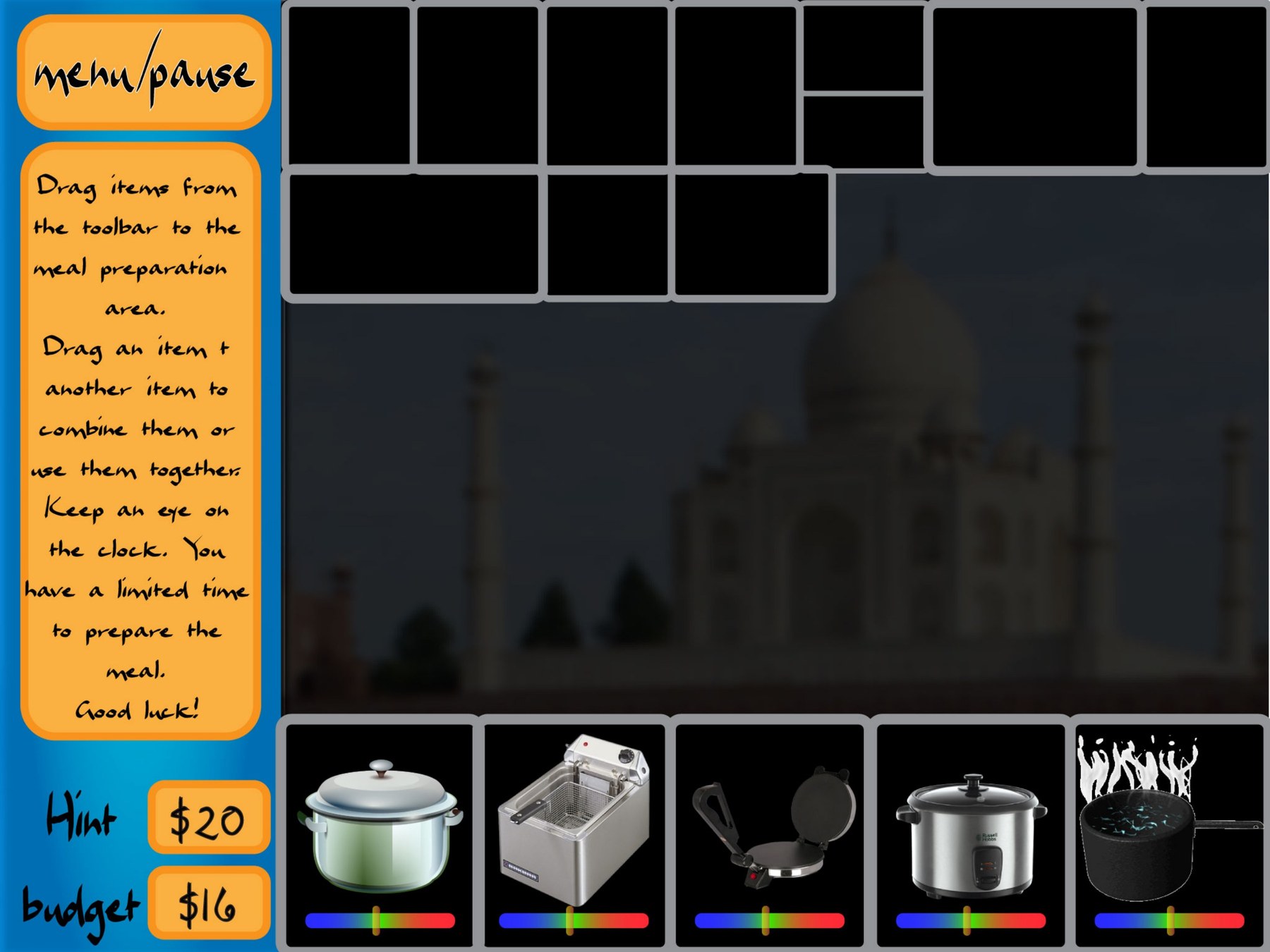
Every appliance carries the same meter. It runs cold to hot, left to right, and it does not wait for you. You stop it in the green or you live with the answer.
It is the one place in the game where skill is pure timing, and it sits directly next to the one place where skill is pure spending. Buy the best rice and burn it and the critic will still notice both.
Judged on what you bought, how you cooked, and how long you took
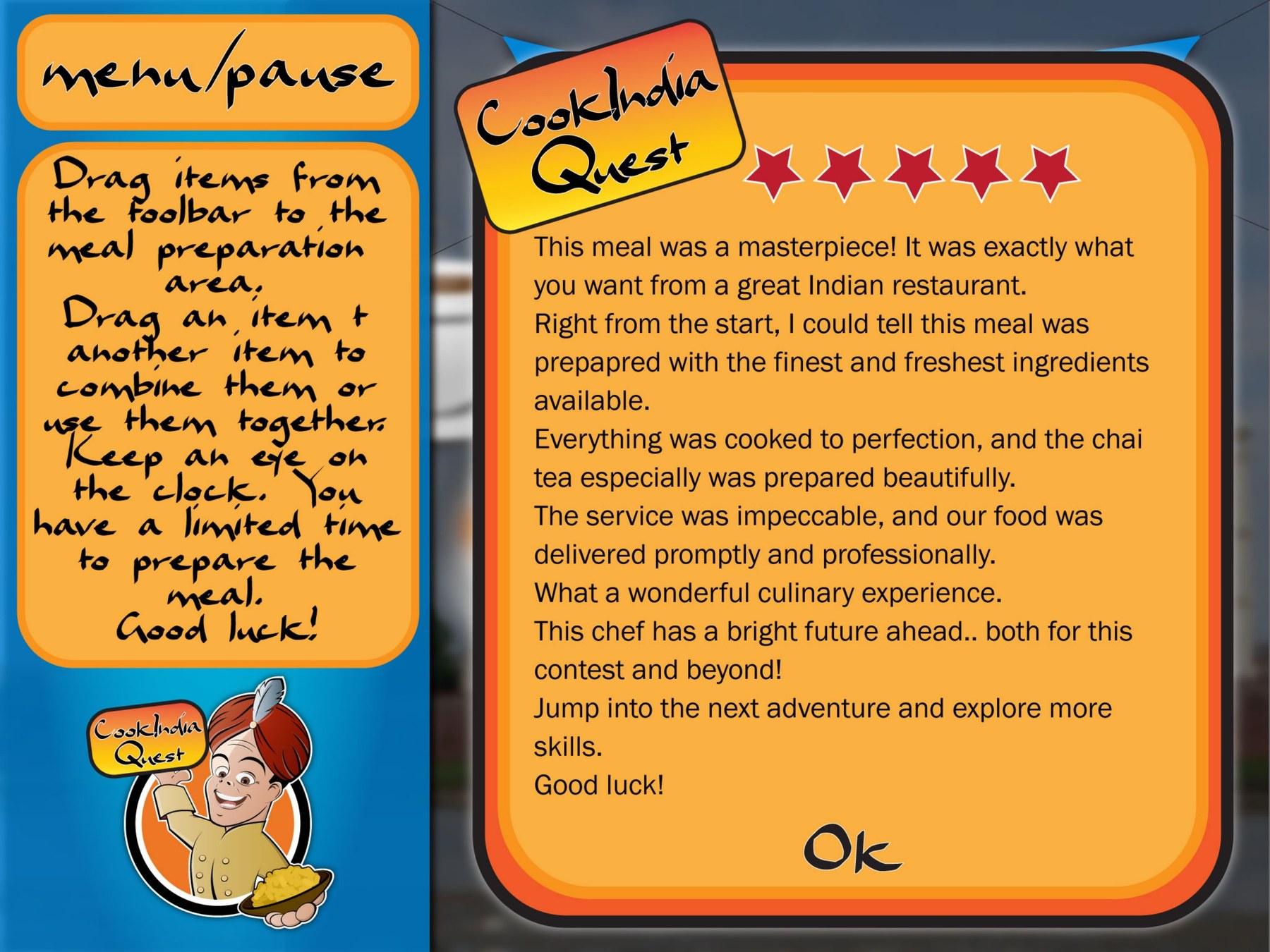
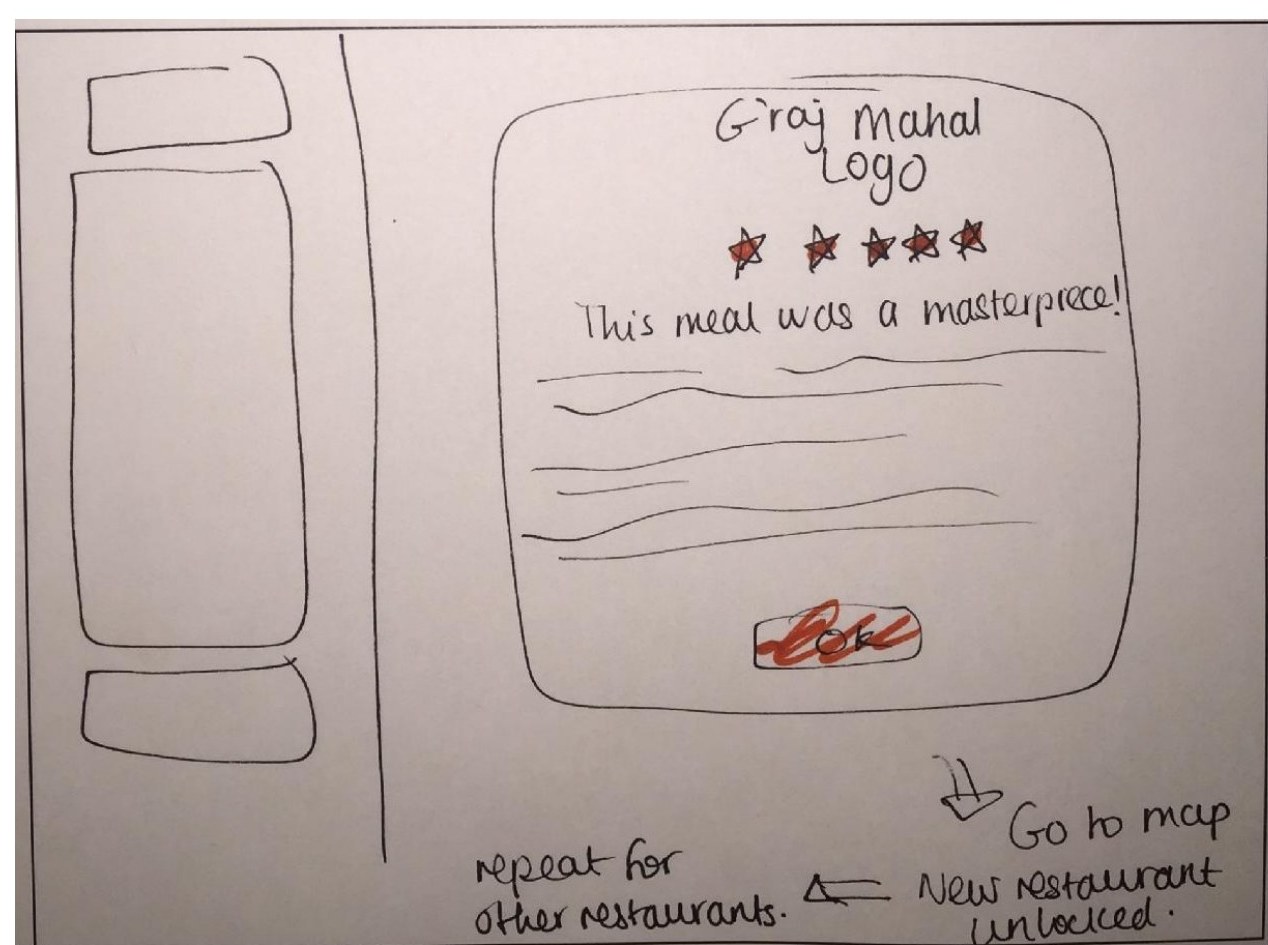
Three criteria, stated in the game's own Help copy, resolved into five stars and a paragraph written as a restaurant review rather than a score screen.
What you bought
The tier of every ingredient in the meal, which is the money you decided not to keep.
How you cooked
Where you stopped each gauge. Undercooked, well done, overcooked.
How long you took
The clock, which was also paying you back in bonuses the whole time.
“Right from the start, I could tell this meal was prepared with the finest and freshest ingredients available.”
A score would have told you the number. A critic tells you which decision he noticed, and the one he opens on is the shopping. That is the game marking its own homework in the right place.
Then the loop closes. A new tile unlocks on the map, a different cuisine opens up, and the whole thing starts again with a fresh $100 and no memory of how carefully you spent the last one.
What the next version would fix
It was a prototype, and it was handed in as one. Here is what it got right, and the three things it never got round to.
Relaxed mode answered the wrong half
The survey found people who liked the genre and had no time for it. Timed or relaxed takes the pressure off, but it does not make a session shorter. The deeper answer, a round that fits inside a commute, was never designed.
It taught, but never checked
Every ingredient explains itself once, beautifully, and then never comes back to ask. 72% of people said they would play a game that taught them to cook. Nothing in the build ever tested whether a single fact stuck.
It never met its own audience
129 people described the game they wanted and not one of them ever played it. The economy, the ladders and the gauge are all arguments that have never been contradicted by a real player, which is the least trustworthy kind of correct.
What holds up is the smallest idea in it: make the player pay for the thing the game wants them to value. Nobody had to be told that fresh ingredients matter, because they watched their budget say so. That trick travels a long way past a cooking game.